Individual counseling
One-to-one sessions for adults at Gestalt Institute Nepal, in a private and unhurried setting.
नमस्ते — तपाईंको कुरा सुन्न म यहाँ छु।
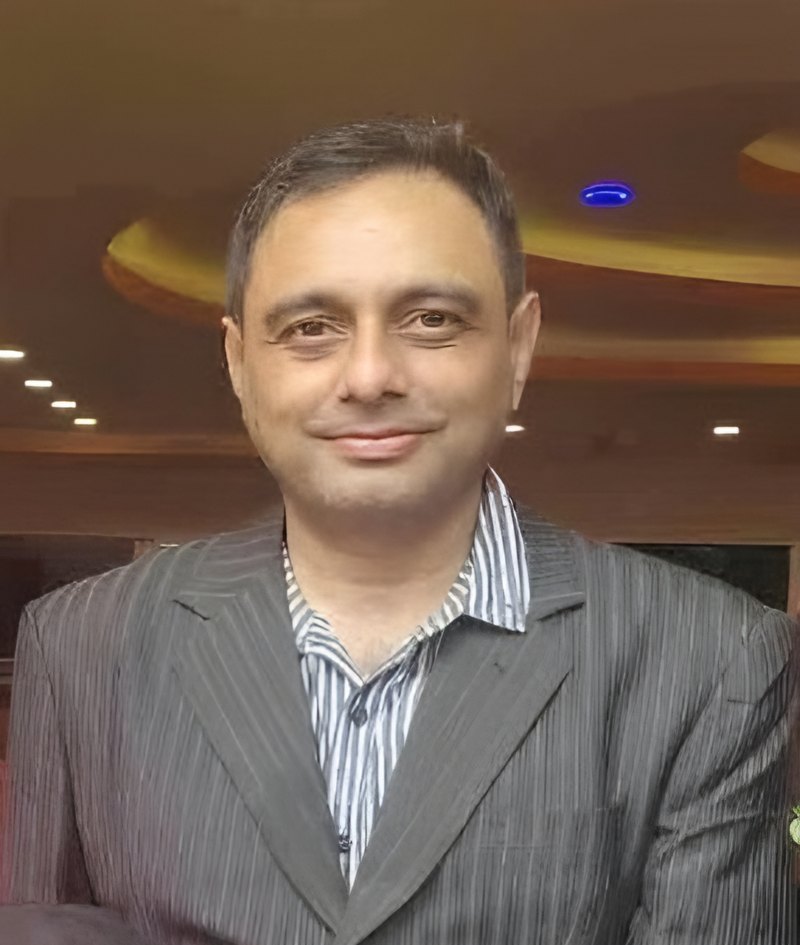
I’m Dipesh Upadhyay, a counselor, psychology lecturer and Gestalt-trained practitioner. Together we can slow down, make sense of what you are going through, and find what you need next.
Asking a question commits you to nothing, and your message stays between us.
What stands out for you right now?That is where we begin.
You don’t need a diagnosis or the right words to start. These are some of the experiences people often bring to counseling.
Ask if I can helpCounseling is not a substitute for emergency or psychiatric care. If you need medical support, I can help you think about where to go.
Choose what suits you. If you’re unsure, write and we can talk it through.
One-to-one sessions for adults at Gestalt Institute Nepal, in a private and unhurried setting.
For people elsewhere in Nepal or abroad, including Nepali speakers living overseas who want to talk in their own language.
Psychosocial training for teachers, health workers and counselors, plus workshops on:
Gestalt therapy is a humanistic approach that pays attention to what is happening for you now: your feelings, your body, your relationships. It treats you as a whole person, not as a problem to fix.
Noticing thoughts, feelings and body sensations with curiosity rather than judgement.
Even when we talk about the past, we look at how it shows up in your life today.
Change often happens through an honest, respectful relationship between us.
When old patterns become clear, there is more room to respond differently.
A vase, or two faces? In Gestalt psychology, what we notice depends on what we place in the foreground. Counseling helps you see what has been in the background.
Many people feel nervous before their first session. That is normal.
My counseling work began in 2009 with students in a college, then grew into psychosocial support after the 2015 earthquake. I trained teachers, health workers and counselors in Kavre, Gorkha and Nuwakot. I then counseled adolescents growing up in a children’s home run by Saathi Nepal.
Today I see private clients and teach psychology to bachelor’s and master’s students. I previously taught in the Master of Counseling Psychology program at Tribhuvan University.
I work from an existential and relational perspective that includes Gestalt therapy. I am especially interested in what makes counseling helpful for the client, and in trauma, somatic work and mindfulness.
“I want to understand how psychotherapy could reach people who can’t afford it.”
I practise Vipassana meditation, read Nepali, Hindi and English literature, and listen to podcasts in which ordinary people talk about struggle and resilience.
Watch an interview to get a feel for how I think about psychology and mental wellbeing before you decide to reach out.
Open on YouTube ↗Counseling since 2009, along with community training and university teaching in Nepal.
Teaches Abnormal, Social and General Psychology on the BA in Psychology and Social Work. Supervises case history taking, mental status examination, assessment and internships.
Teaches History of Psychology, Contemporary Theories, Communication Skills in Counseling, and Counseling and Psychotherapy with Adults. Supervises counseling role-plays and case discussions. Previously taught on the Master of Counseling Psychology program at Tribhuvan University.
Teaches Introduction to Psychology for BBA and Bachelor in Aviation Management students.
Counseling since 2009, starting with students at a college, and private practice with individually referred clients. After the 2015 earthquake, community psychosocial training for teachers, primary health workers and counselors in Kavre, Gorkha and Nuwakot, in projects run by ACF, CMC Nepal and CWIN. Individual and group counseling for adolescents at a children’s home run by Saathi Nepal.
Institutions and organisations I have worked or trained with
Also: research and SPSS, training design, and teaching.
I research ethics in counseling and wellbeing among students in Nepal.
If your question isn’t here, just ask.
No. I don’t share that you got in touch with anyone: not your family, school, college or employer. If someone else might see your phone or email, tell me and I’ll keep my reply discreet. For example, I won’t mention counseling.
Yes. A first name or nickname is fine for a first message. You can share more when you feel comfortable.
No. Many people start with “something doesn’t feel right”. Working out what is going on is part of what we do together.
Yes. What you share stays confidential. The only exceptions are the usual ethical and legal limits, for example a serious risk to your safety or someone else’s. I explain these clearly in our first meeting.
Nepali, Hindi or English. You can switch between them whenever you like.
Yes. Online sessions are by video call and suit people outside the Kathmandu Valley or abroad. You need a quiet, private place and a stable connection.
Ask me directly and I will tell you the current fee and session length. If cost is a barrier, please say so. I would rather we talk about it than have you not reach out.
Yes. I have worked with adolescents and students for many years. A parent can get in touch first, and we can discuss what might help and how the young person can be involved.
Yes. I have trained teachers, health workers, counselors and students across Nepal. Use the form and choose “Training or workshop”.
Counseling by appointment is not an emergency service. If you or someone else is in danger, call 100 (police) or 102 (ambulance), or the National Suicide Prevention Helpline on 1166.
Many people wait a long time before contacting a counselor. They worry about privacy, about being judged, or that their problem is “too small”. These are some of the worries people tell me about.
Your contact with me is confidential. I do not tell your family, school, college or employer that you got in touch. If you use a shared phone, tell me and I will keep my replies discreet.
There is no minimum. Feeling stuck, tired or confused is reason enough to talk. You don’t need a diagnosis or a crisis.
That is very common. “I don’t know where to start” is a perfectly good first message. I will take it from there, gently.
I won’t judge you, label you or tell you what you should feel. My job is to understand, not to criticise.
You decide what to share and when. You can say “I’m not ready to talk about that”, and that is respected.
That’s completely fine. Sending a message doesn’t commit you to a session, and you never owe an explanation.
Pick a message below and send it as it is. You can use a first name or nickname only. That is enough for a first contact.
If you’d like to ask about counseling
“Namaste Dipesh ji, I would like to ask about counseling. Could we have a short chat?”
If you’re not sure it’s right for you
“Hello, I’m not sure if counseling is right for me, but I would like to ask a few questions first.”
If you’re worried about someone else
“Hello, I am writing about someone close to me. How can I help them get support?”
Use a ready-made message, call, or the form below. A line or two is enough.
You ask anything about how I work. We agree on a time, language and format only if you want to go ahead.
We begin at your pace. Afterwards we decide together whether to continue.
Write, call or use the form. Only I read these messages, and I reply personally.
Keep it short and practical. Please don’t include detailed health information here.